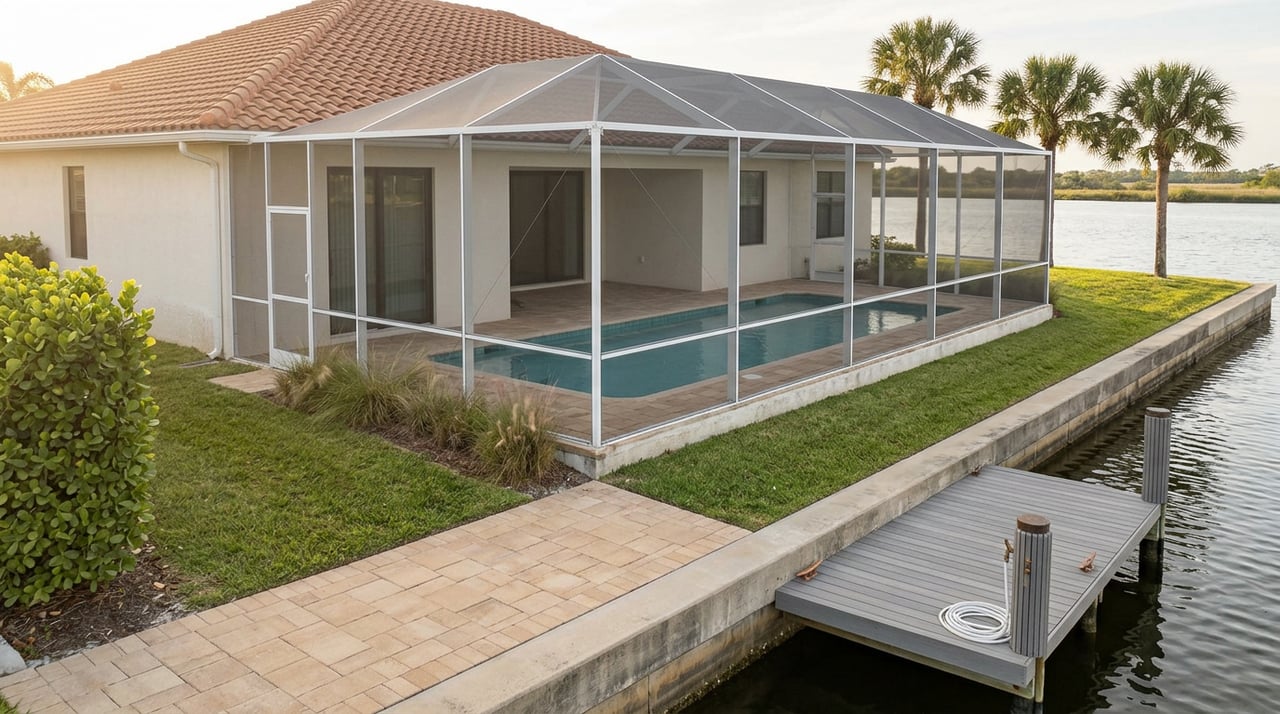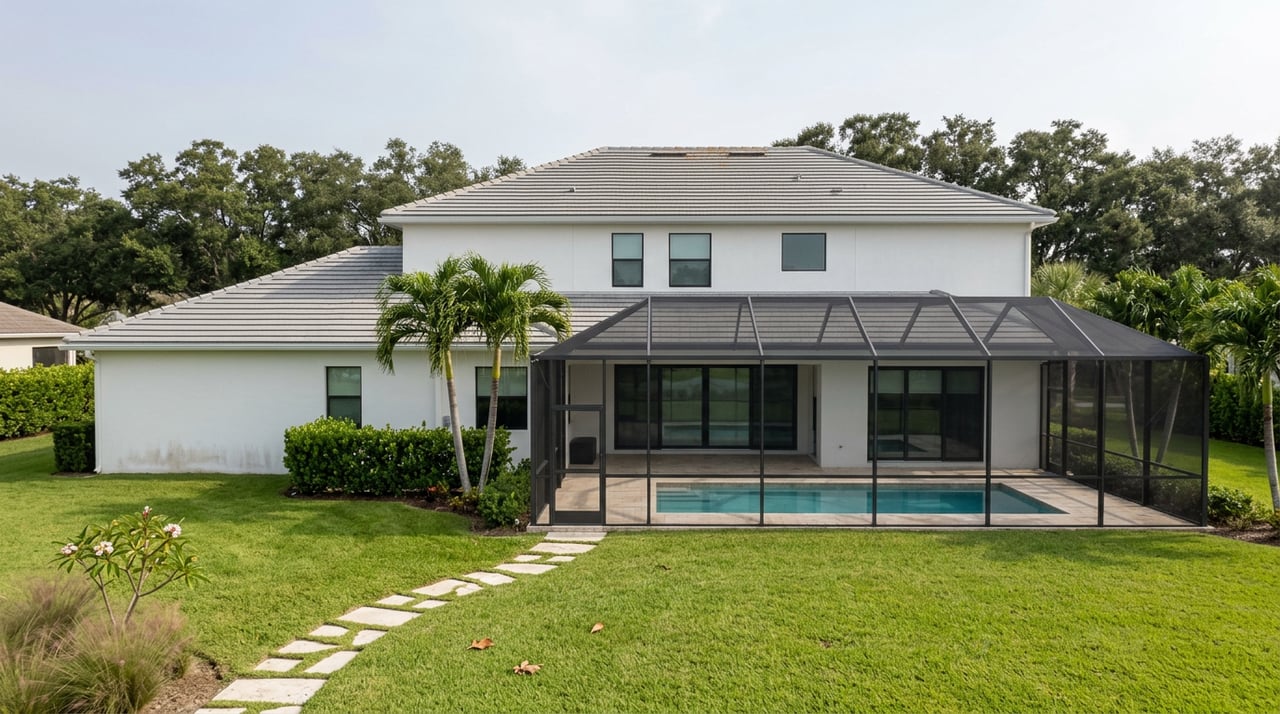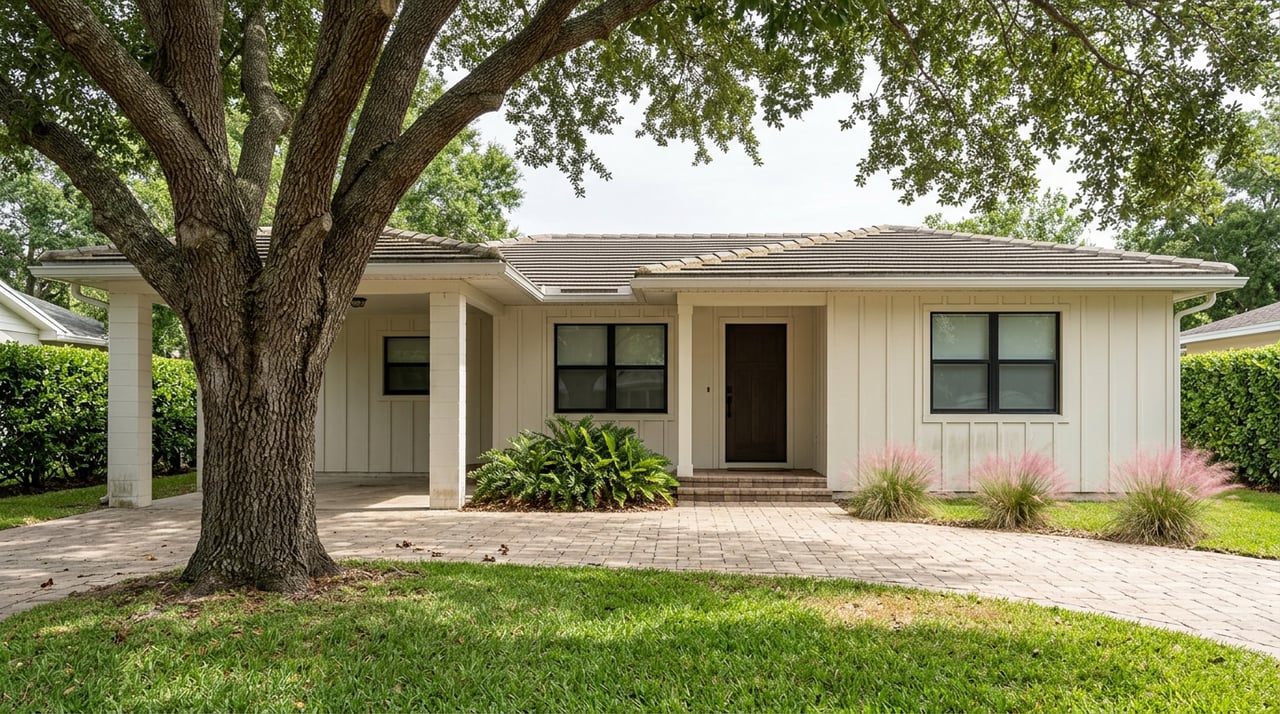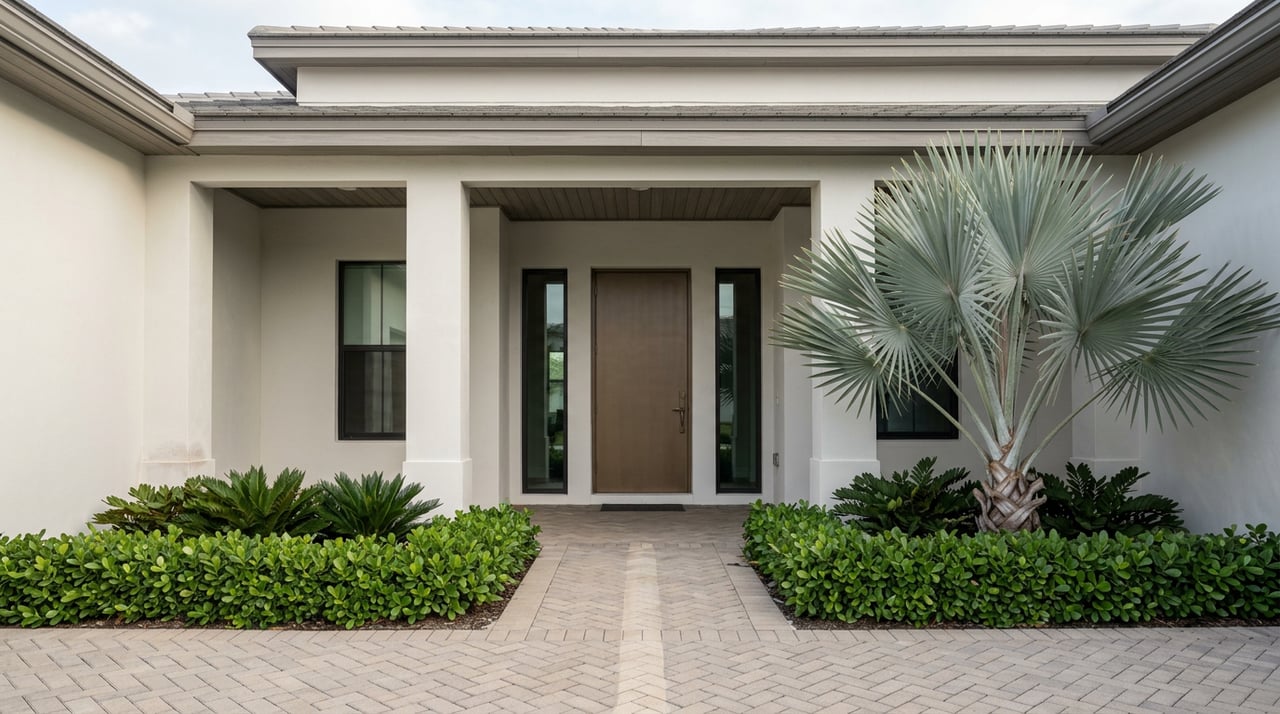
The first time a home in Tradition or Riverland sells, Florida law makes sure the buyer sees the CDD obligation coming. State statute requires a bold, conspicuous disclosure in that initial sale contract, spelling out that the parcel sits inside a Community Development District and that the buyer will owe assessments tied to district bonds. It is hard to miss.
The second time that same home sells, nothing in Florida law requires anyone to repeat the warning.
That gap is not a technicality. It is the reason a resale buyer in a Port St. Lucie CDD community can get to the closing table and see an unfamiliar line item for the first time, while the seller across from them assumes everyone already understands what it means. The bond didn't disappear between the first sale and the second. The legal requirement to flag it loudly just did.
The Warning Label That Doesn't Ride Along With the House
Community Development Districts are how much of Port St. Lucie's new construction got built. A developer issues tax-exempt bonds to cover roads, utilities, and amenities up front, then the district repays those bonds over time through an annual assessment tied to the property, not the person who happens to own it. That structure is common across master-planned sections of the city, including Tradition Community Development District No. 1, which levies its own debt service and operations charges on parcels inside the district and posts the fiscal year and assessment breakdown publicly.
Florida Statute Chapter 190 requires that first-sale disclosure in bold type precisely because lawmakers recognized that an unfamiliar government charge riding on the property tax bill needs a loud flag the first time a buyer encounters it. What the statute does not do is require that same flag on every resale afterward. Once a home changes hands a second or third time, the burden of surfacing the CDD obligation shifts to the listing agent, the title search, and whatever the resale contract happens to say. Buyers who assume a clean title search means a clean bill are working from the wrong document. CDD debt rides on the tax bill through Florida's uniform collection method, which means it carries tax-lien priority but often won't show up on a standard title search the way a mortgage or judgment would.
Two Numbers Are Hiding Inside One Line
Part of why this catches people off guard is that the CDD line on a tax bill isn't one obligation. It's two, stapled together, and only one of them can ever go away.
| Component | What it pays for | Can it be eliminated |
|---|---|---|
| Debt service assessment | Repays principal and interest on the original infrastructure bonds | Yes, it can typically be prepaid in a lump sum to the district |
| Operations and maintenance assessment | Funds landscaping, amenity upkeep, and district administration | No, it continues as long as the district operates, regardless of who owns the parcel |
The debt-service portion is what most people mean when they talk about "paying off the bond." It's fixed for the bond term, usually stretching 20 to 30 years, and a district will generally let a property owner retire it early with a lump-sum payment. The O&M portion is a different animal entirely. It's reset annually by the district's board through a public budget process, and it never gets paid off, because it isn't debt. It's an ongoing charge for keeping the lights on at the clubhouse and the grass cut along the boulevards.
Buyers and sellers who negotiate "the CDD" as if it's a single number are usually negotiating over the wrong half. A seller who proudly advertises a home as bond-paid has only extinguished the debt-service piece. The O&M assessment is still coming, and it always will.
Who Actually Signs the Check
Here is the part that turns this from a disclosure problem into a negotiating one. Florida law doesn't force a seller to pay off the debt-service bond before closing. It also doesn't force a buyer to assume it. That decision lives entirely in the purchase contract, which means it's a term two parties agree to, not a rule either side has to accept.
In practice, this plays out differently depending on which Port St. Lucie community you're looking at. Riverland, GL Homes' active-adult development built around the Valencia Cay, Valencia Grove, Valencia Walk, and Valencia Parc neighborhoods, carries its own CDD structure funding the resort-style amenity package the community is known for. Wylder's infrastructure runs through the LTC Ranch West Community Development District, administered by Rizzetta & Company, with assessments expected to begin appearing on tax bills as the community builds out. Brystol at Wylder buyers are told to model $150 to $290 a month in CDD carrying cost until the district's adopted assessment schedule says otherwise, because the exact figure is parcel-specific.
Contrast that with St. Lucie West, an older section of the city where the non-ad valorem line on the tax bill runs through the St. Lucie West Services District instead. That district was established to handle water treatment, wastewater, and stormwater management, not roads, gates, or clubhouse amenities, so its charges move on an annual public-hearing cycle rather than a fixed 30-year bond schedule. A buyer comparing a St. Lucie West resale to a Tradition or Riverland resale is not comparing two versions of the same obligation. One is a construction loan still amortizing. The other is a utility fee that adjusts with an annual budget.
None of this is optional information a buyer can skip. The bond attaches to the parcel, not to any individual owner, so a buyer who closes without addressing it simply inherits it, term and all.
The Letter That Expires Before You Close
Even when both sides agree on who pays, there's a timing trap that catches people who assume a number is good until they use it. District payoff figures and estoppel letters aren't evergreen. They're typically valid only through a stated date, and the exact prepayment amount can shift once the next assessment roll is certified. Ordering that payoff figure in June for a closing that slips to August can mean showing up to the settlement table with a number the district no longer honors.
The safer sequence is to request the estoppel or payoff letter as close to the actual closing date as the timeline allows, then confirm in writing that it's still valid on the day funds change hands. Skipping that step doesn't just risk an inconvenience. It risks the district's tax-collection remedies, since an unpaid or improperly resolved assessment follows the same enforcement path as a delinquent property tax bill.
Why This Is a Pricing Decision, Not Just Paperwork
The clearest illustration of what's at stake here doesn't come from Port St. Lucie. It comes from The Villages, where CDD bonds work the same way and the market has had decades to sort out what a bond-paid home is worth compared to one still carrying debt. Paying off the bond at closing there is legally optional, the same way it is here. But bond-paid homes reliably outsell bond-outstanding ones, and a house carrying an unpaid balance tends to list at a discount that roughly reflects what's still owed, or it sits on the market longer while buyers do the math themselves.
Port St. Lucie's CDD communities are young enough that this dynamic is still forming, but the mechanism is identical. A seller in Tradition or Riverland who clears the debt-service bond before listing isn't just simplifying the closing. They're removing a line item that a buyer's lender will fold into debt-to-income calculations and that a buyer's agent will use as a negotiating point regardless. A seller who leaves the bond in place should expect that unpaid balance to show up in the offer, one way or another.
So Which Side of the Table Are You On
If you're buying a resale in a CDD community, don't rely on the absence of a bold disclosure to mean the absence of an obligation. Ask for the district name, request a current estoppel showing the remaining bond balance, and separate that figure from the O&M assessment before you calculate what the home actually costs to carry.
If you're selling, decide early whether you're paying off the debt-service bond or pricing the home to reflect what's left. Waiting until an offer arrives to figure out which one you prefer puts you in a weaker negotiating position than deciding in advance.
A Few Questions Worth Asking
Can a buyer refuse to close because of an unpaid CDD bond? The bond itself isn't a reason to walk away from a home. It's a reason to know the number before you write the offer, since it attaches to the parcel regardless of who signs the deed.
Does paying off the bond guarantee a higher sale price? Not automatically, but it removes a monthly carrying cost from the buyer's side of the math, which tends to widen the pool of buyers who can qualify and negotiate from a position that doesn't include a lingering balance.
What if the estoppel letter expires before the closing date? Reorder it. The prepayment figure can change once the district certifies its next assessment roll, and closing on an expired number risks a mismatch between what was quoted and what's actually owed.
If you're weighing a resale in Tradition, Riverland, Wylder, or anywhere else on the CDD side of Port St. Lucie, it's worth running the numbers before you write an offer or sign a listing agreement. For a broader look at how these communities compare on carrying cost, the neighborhood breakdown for Port St. Lucie is a good place to start, and a current home valuation can help you see where your own bond balance stands.
If you'd like a second set of eyes on a specific CDD district or a contract clause before you commit either way, Joe Matuella has walked Treasure Coast clients through exactly this decision. Let's Connect.